


The Best Time of Year to Overseed Lawns in Olathe
Last Updated: November 17, 2026
Quick Summary
Fall is the best time of year to overseed lawns in Olathe, with the ideal window running from late September through mid-October. That gives new grass roughly six to eight weeks of growth before the first frost, which typically arrives in late October.
Olathe typically sees its first frost in late October, so mid-October is the practical seeding cutoff.
Tall fescue is best overseeded in mid to late September, while Kentucky bluegrass goes down in early October.
Overseed a thin lawn at about 4 to 6 pounds of tall fescue seed per 1,000 square feet.
Keep the top inch of soil moist with light watering two to three times daily for the first 10 days.
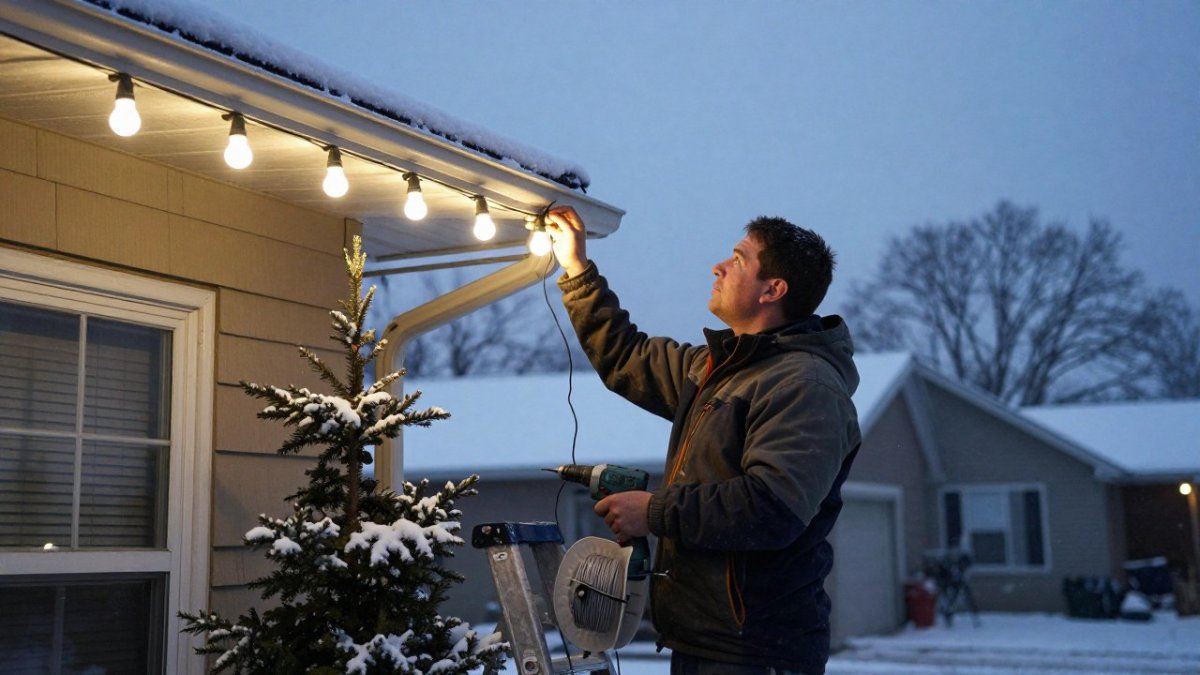
Wait until turf goes dormant in November before installing holiday lighting stakes and ladders.
Ready for a thicker lawn and brighter holidays?
AF Lawn and Light handles fall overseeding and holiday light installs on one schedule across the KC metro.
Table of Contents
Why Fall Is the Best Time of Year to Overseed Lawns in Olathe
Fall is the best time of year to overseed lawns in Olathe, and the window is narrower than most homeowners expect. Cool-season grasses need warm soil to sprout and cool air to grow roots, and only fall delivers both.
Seed put down in the right fall window comes back thick; seed put down at the wrong time limps into winter.
Here is the short version. Aim for late September through mid-October. That gives new grass time to sprout, harden off, and survive its first winter.
Soil Temperature and Frost Dates That Set Your Window
Soil temperature drives germination, not the calendar. Tall fescue seed sprouts best when the soil is still warm from summer but the air has cooled.
Watch for these signals:
Daytime highs in the 60s and 70s
Nighttime lows in the 50s
Soil that still feels warm a few inches down
Shorter days and softer sun
Then watch the frost date. Olathe typically sees its first frost in late October. New seedlings need roughly six to eight weeks of growth before that frost arrives.
That math points to mid-October as your practical cutoff. Miss it, and young grass goes into winter too small to make it.
Why Spring Seeding Struggles in Kansas City Summers
Spring seeding looks tempting. The soil warms, rain falls, and everything greens up. Then June arrives.
Kansas City summers punish young grass. Shallow seedling roots dry out fast. Heat stress sets in. Weed competition takes over bare ground before the new grass can fill it.
You can baby a spring seeding through its first summer with constant watering. Most homeowners cannot keep that pace for three months.
Fall sidesteps the whole problem. Seedlings establish through mild weather, then face summer as mature plants with deep roots.
A Month-by-Month Olathe Overseeding Calendar
Timing beats technique every time. Here is how the season generally breaks down.
Month | What to Do | Why It Matters |
Late August | Order seed, book aeration, water dry spots | Supplies and crews fill up fast |
Early September | Mow low, dethatch, aerate | Opens seed-to-soil contact |
Mid to late September | Overseed tall fescue | Best germination window |
Early October | Overseed Kentucky bluegrass, spot-fix bare patches | Cooler air suits bluegrass |
Mid-October | Final seeding cutoff, keep watering | Seedlings need time before frost |
November | Light cleanup, plan lighting install | Turf goes dormant, lights go up |
Treat this as a guide, not a rulebook. A hot September pushes everything back a week. An early cool snap pulls it forward.
The decision point that matters most: if you are past mid-October and the forecast shows a hard freeze coming, wait for spring. Seed planted into a dying window wastes money.
Choosing Your Grass: Tall Fescue Grass Seed and Kentucky Bluegrass
Grass type changes your seeding date, your watering load, and how much foot traffic your new turf can take when the holiday lighting crew arrives.
Tall fescue is a common cool-season grass.
Kentucky bluegrass spreads and self-repairs through rhizomes, giving you denser, finer turf over time, but it needs more water and sun and germinates slower than tall fescue.
A blend of tall fescue with some Kentucky bluegrass is one option for combining toughness and density.
If you are still deciding on a seed type, our guide to How Do You Overseed Fescue Grass Step by Step? walks through the full process. And if you want brands that hold up locally, see our picks for the Best Fescue Grass Seed Brands for Kansas City.
Seeding Rate and Seed-to-Soil Contact
Seed sitting on top of thatch will not sprout. Seed pressed into soil will.
Two numbers guide the job:
Overseeding a thin lawn: about 4 to 6 pounds of tall fescue seed per 1,000 square feet
Bare patches: closer to 6 to 8 pounds per 1,000 square feet
Check the bag label for the rate on your specific blend. More seed is not better; too much crowds seedlings and invites disease.
Seed-to-soil contact is the real goal. Core aeration, a light topdressing, or a rake pass all help seed nestle in. Skip this step and germination drops.
How Late to Plant Grass Seed in Fall Before Frost Wins
Mid-October is the practical cutoff for overseeding in Olathe, but the real decision is a forecast check, not a date. New seedlings need roughly six to eight weeks of growth before the first frost, and Olathe typically sees its first frost in late October. Work backward from that frost date and you get a decision window, not a hard line.
Use this simple check before you seed:
Count the weeks to frost. At least six weeks, you are still in play. Under four weeks, the math stops working.
Check nighttime lows. Seed germinates and hardens best when nights are in the 50s. Once nights drop into the 30s consistently, germination slows and young grass cannot harden off.
Feel the soil. Warm soil a few inches down supports germination; cold, wet soil stalls seed and invites damping-off.
Look at the forecast trend, not one day. A single warm week in late October does not reopen the window if the two-week outlook shows a hard freeze.
Signs the window has closed:
Nighttime temps dropping into the 30s
Frost in the forecast within two weeks
Soil that feels cold to the touch
Trees dropping leaves fast
If you miss the window, do not force it. Three options exist, and each has a real limitation:
Dormant seeding: spread seed late in the season and let winter work it into the soil. Germination starts in spring, but you lose fall establishment and the seed sits exposed to winter weather, so results are less predictable.
Spring seeding with a plan: seed early, water hard through June, and accept the extra work. Young grass faces Kansas City summer heat with shallow roots, and you will be watering constantly through the first summer.
Temporary bare-patch cover: a light mulch or straw cover protects bare spots visible during the holiday lighting season and keeps the yard looking intentional until you can seed properly. It does not establish grass; it only buys time.
Neither dormant nor spring seeding matches a well-timed fall seeding.
For homeowners juggling both projects, our Fall Lawn Care Tips: Prepare for Holiday Lighting covers how to get the yard ready for both.
Preparing the Lawn: Mowing, Aeration, and Dethatching
Preparation decides half the outcome. Seed dropped on a compacted, thatchy lawn is money in the trash.
Start by mowing low. Take the grass down shorter than usual. Short turf lets seed reach soil.
Next, deal with thatch. A thin layer is fine. A thick mat blocks seed. Dethatch if the layer is spongy underfoot.
Then aerate. Read Signs Your Lawn Needs Core Aeration Right Now.
Finish with these steps:
Rake or drag to level uneven spots
Spread seed evenly in two passes, one in each direction
Lightly topdress or rake seed into the soil
Water gently to settle everything
Watch out: skip aeration on a hard, compacted yard and most of your seed will sit on top and never sprout.
The Watering Schedule for Overseeding That Actually Germinates Seed
Watering is where most overseedings fail. The rule is simple: keep the top inch of soil moist, not soaked.
Week one matters most. Light, frequent watering twice a day keeps seed damp through germination. Short bursts beat long soaks at this stage.
Then shift as grass grows:
Days 1 to 10: light watering two to three times daily
Days 11 to 21: deeper watering, once daily
Week 4 and beyond: water deeply two to three times a week
Morning watering wins. Evening water sits overnight and invites disease.
Watch the weather too. A rainy stretch means you can skip a pass. A hot, windy week means you add one. Buy a cheap hose timer if you travel; consistency is the whole game.
Fall Lawn Seeding in Johnson County and Holiday Lighting Timing
Fall lawn seeding and holiday lighting season overlap in timing.
A typical sequence for combined projects looks like this:
Seed goes down in late September or early October
New grass gets its watering schedule through October
Lighting installs happen in November, once turf goes dormant
Lights come down in January without tearing up the lawn
That order protects your new grass. Installing lights on tender seedlings in October risks footprints, ruts, and crushed crowns.

The man is American.
For homeowners juggling both projects, our Fall Lawn Care Tips: Prepare for Holiday Lighting covers how to get the yard ready for both.
Protecting New Turf When Lights Go Up
New seed and light crews can clash. A little planning keeps both safe.
Follow these rules:
Wait until grass is dormant before any ladder or stake goes in
Mark sprinkler heads and seeding zones before the crew arrives
Ask for ground stakes placed at lawn edges, not through the middle
Keep heavy equipment off wet, newly seeded areas
Water the seed, not the light strings
A good installer plans the layout around your turf, not through it.
Book Your Fall Seeding and Holiday Lighting Assessment
Fall gives you one real shot at a thicker lawn, and the lighting season arrives right behind it.
AF Lawn and Light has served the Kansas City metro area for over 20 years.
AF Lawn and Light offers customized lawn assessment and a design process for your yard.
If you want a company that does both, read The Lawn Company That Also Hangs Holiday Lights before you call around.
Your lawn and your roofline share the same short fall window.
Frequently Asked Questions
Is October 1 too late to plant grass seed in Olathe?
Not necessarily. October 1 usually still leaves enough warmth for tall fescue grass seed to germinate, though the margin shrinks each week. Aim to seed by early October so seedlings have roughly six to eight weeks before the first hard frost. If you seed later, expect slower germination and plan to water through dry spells. A soil thermometer reading above 55°F at two inches deep tells you the window is still open.
Can I just throw grass seed down on an existing lawn?
You can, but bare scattering rarely produces a thick lawn. Seed needs seed-to-soil contact to germinate. Mow low, dethatch or aerate to open the surface, then spread seed and press it in with a light rake or roller. Keep the top inch moist with a steady watering schedule for overseeding until seedlings reach about two inches. Skipping prep is the most common reason overseeding disappoints.
When should you overseed a lawn in Olathe?
The best time of year to overseed lawns in Olathe is late August through early October, when soil is still warm from summer but air temperatures cool. Tall fescue and Kentucky bluegrass both establish well in this window. Seeding in mid-August gives more growing time but demands more water; early October works only if frost holds off. Watch local frost dates and soil temperature rather than the calendar alone.
How much does fall seeding affect holiday lighting installation?
New seedlings are fragile for the first several weeks, so light stakes and ladder feet can crush them. Plan holiday lighting installation for late November, after seedlings have knit into the soil, and ask your installer to walk established paths and use stake placements that avoid the seeded zones.
Comments